Notes from Nolus
Page 7 of 8
 Explainers
How does Nolus solve the issue of liquidity?
Nolus inherits liquidity from the chains it connects to via Interchain Accounts instead of running its own exchange, and pools lender deposits in one market
 Explainers
FOMO, FUD, and DYOR
Cryptocurrency investing can be an exciting and potentially lucrative endeavor
 Explainers
What makes “Good Tokenomics”
Tokenomics should be transparent and easy to understand
 Explainers
Lending Within the Cosmos Ecosystem
Why Nolus uses a single shared pool, cash-basis interest, and its own appchain instead of the over-collateralized model most Cosmos lenders run
 Explainers
Staying Safe in a Trustless Environment
With more projects spawning every day, staying safe within the cryptocurrency space should be a top priority!
 Explainers
Exploring the Advantages and Disadvantages of Developing a Custom Layer-1 Blockchain
The simplified creation of a sovereign, horizontally scalable blockchain with its proprietary token economy, cheap and fast transactions
 Explainers
Finding Liquidity in the Cosmos
The majority of cryptocurrencies are volatile assets whose prices fluctuate for a number of reasons
 Explainers
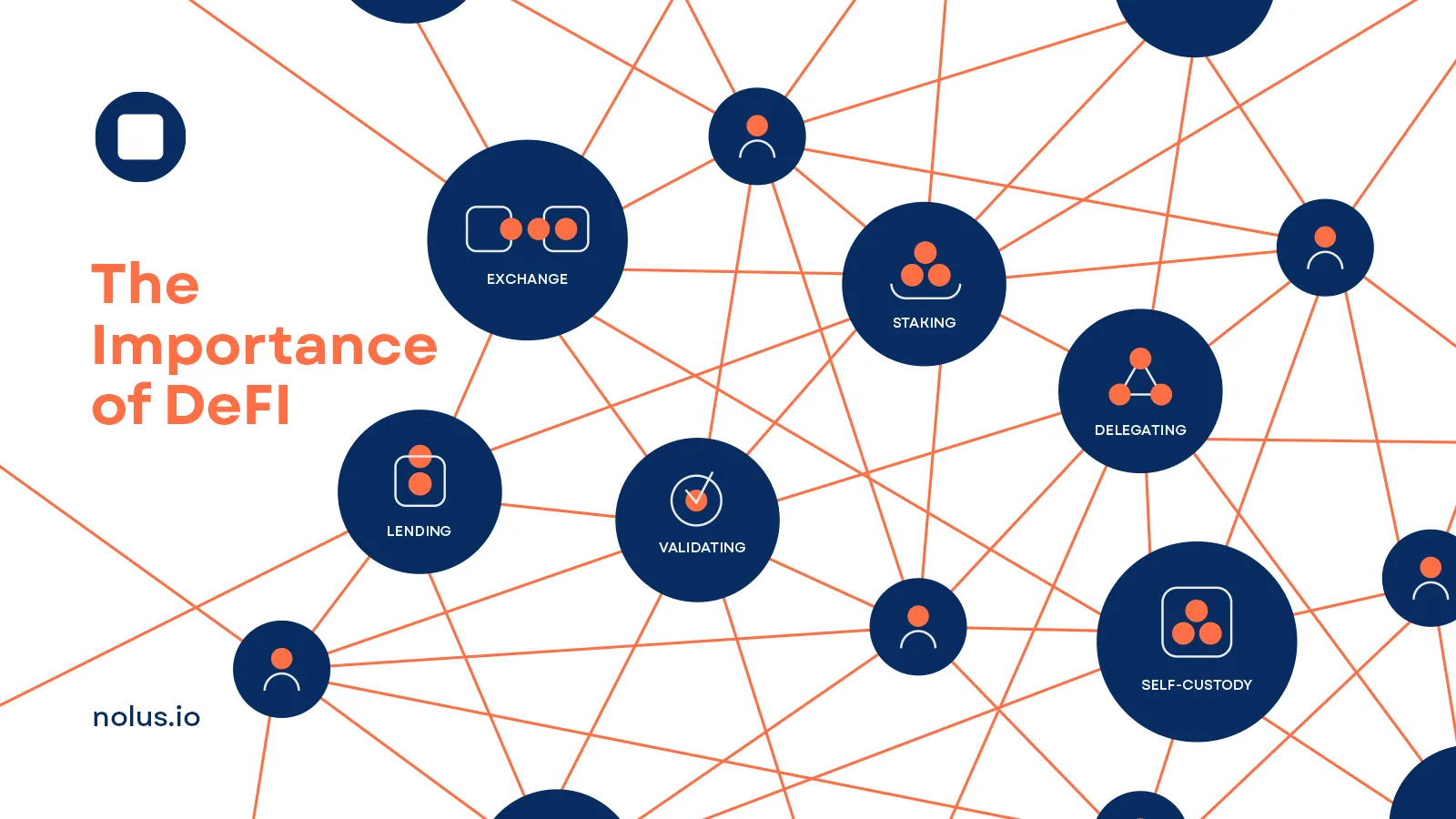
The Importance of DeFi
Decentralized finance offers an open and free alternative for consumers
 Announcements
Announcing the Nolus Delegation Program
Through a delegation program, we can delegate locked tokens to both increase the total value securing the Network and to promote
 Explainers
What Makes Staking an Attractive Proposition On Nolus?
Proof-of-Stake acts as a Sybil-protection mechanism
 Explainers
NLS Token: Utility, Staking, Supply, and Market Data
What NLS does, how staking works, how the 1 billion token supply is structured, and where circulating supply and market cap stand as of August 2026
 Explainers
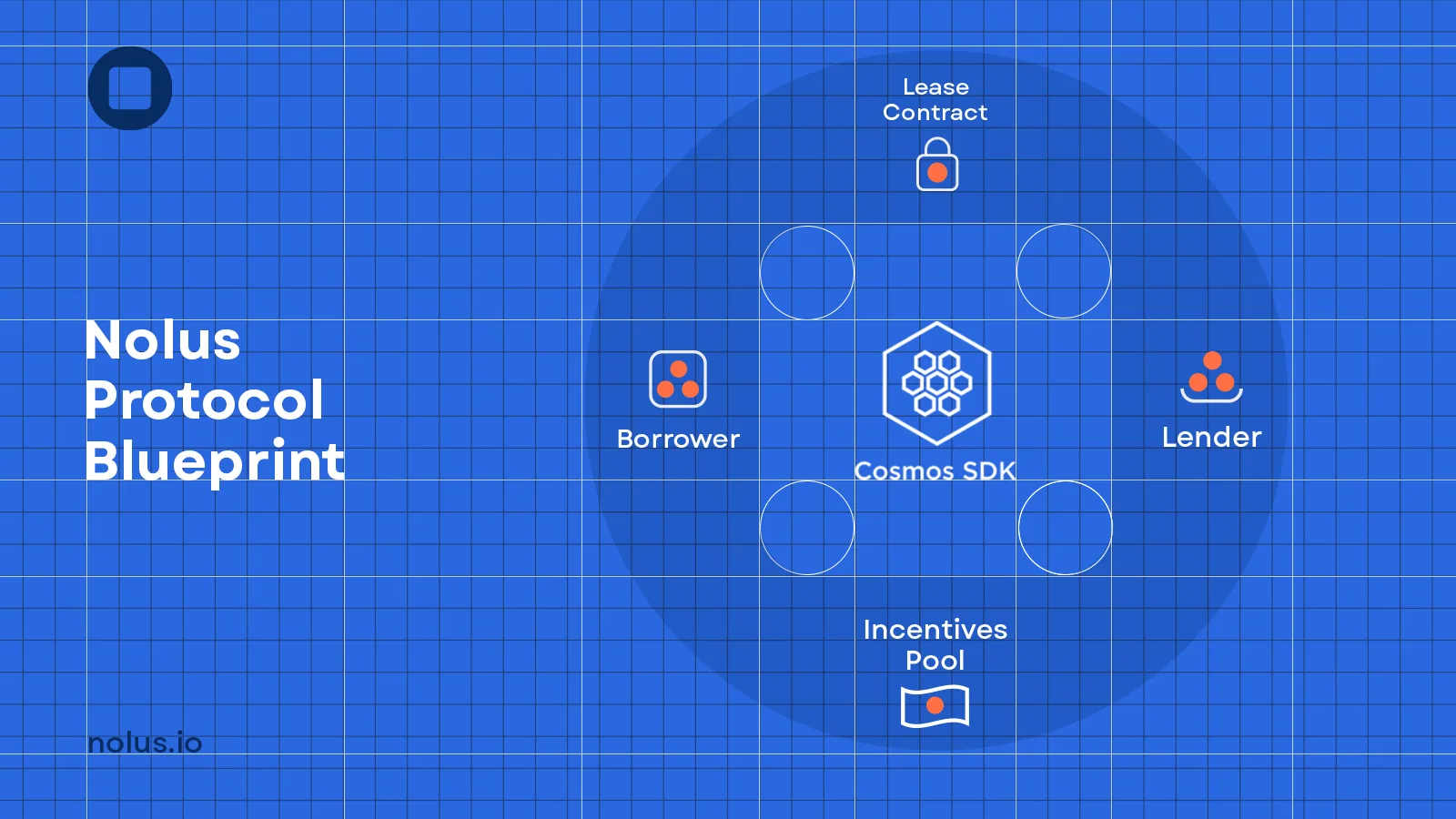
Nolus Under the Hood: Appchain and Liquidations
Inside the Nolus appchain: Cosmos SDK and CosmWasm, Interchain Accounts for swaps, and partial liquidations that unwind only part of a position